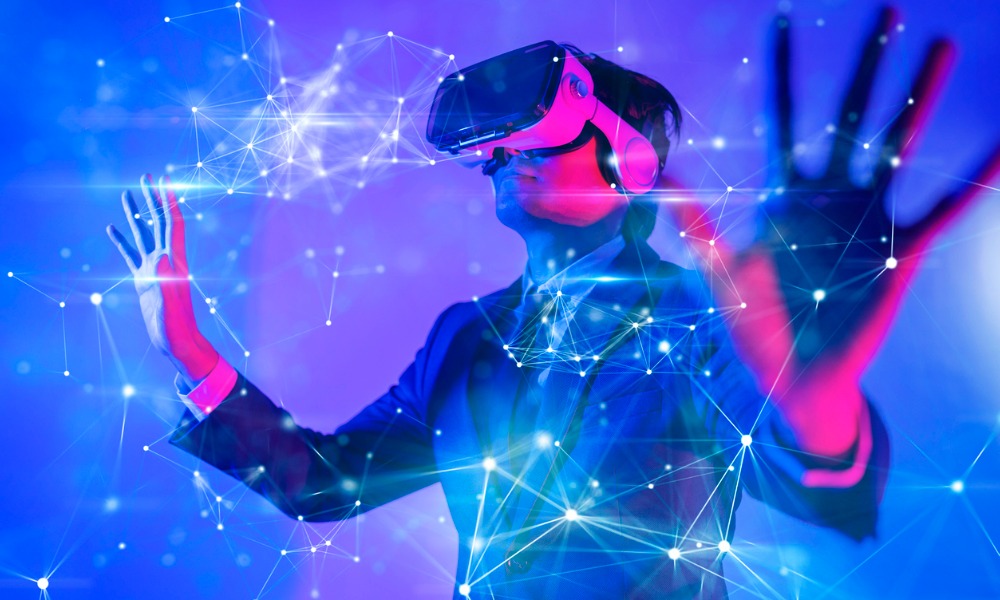
The concept of the Metaverse is rapidly entering the education space, promising to reshape how students learn and interact. With virtual reality (VR), augmented reality (AR), and artificial intelligence (AI) coming together, the idea of metaverse classrooms is gaining attention. But the question remains: is this a meaningful shift in education or just another passing tech trend?
What Are Metaverse Classrooms?
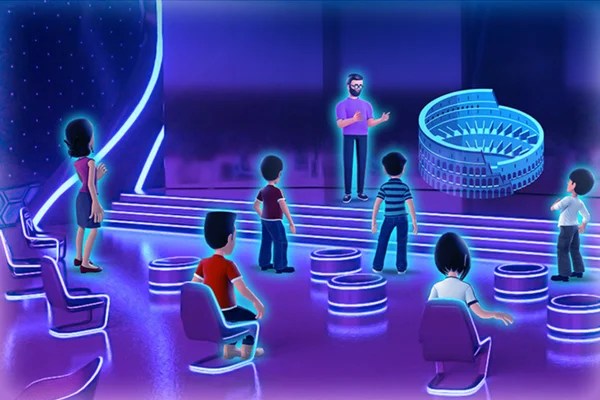
A metaverse classroom is a fully immersive virtual environment where students and teachers interact using digital avatars. Lessons can take place in simulated labs, historical reconstructions, or even on virtual trips to outer space. It combines technologies like VR, AR, AI, and blockchain to create an engaging and interactive learning space beyond physical walls.
Early adopters include platforms like Meta’s Horizon Workrooms, Microsoft Mesh, ENGAGE, and Roblox Education. Pilot programs have started across universities and schools experimenting with the model.
The Promised Benefits
One of the main draws of metaverse classrooms is the immersive experience. Students can perform science experiments in virtual labs, visit ancient civilizations, or explore complex engineering concepts through simulation. These interactive settings can lead to better retention and deeper understanding.
Another advantage is increased student engagement. Gamified features, customizable avatars, and the novelty of learning in a 3D world can motivate students who may otherwise feel disconnected in traditional classrooms.
Metaverse education also breaks down geographical barriers. Students from different countries can attend the same virtual school, creating opportunities for global learning and collaboration.
Additionally, the virtual environment provides a safe space for experimentation. Mistakes in a virtual lab don’t have real-world consequences, making it ideal for learning through trial and error.
AI-driven personalization is another potential benefit. Students can receive tailored learning paths, real-time feedback, and even support from virtual teaching assistants.
Real Challenges to Consider
Despite the excitement, several challenges need to be addressed. The cost of VR headsets, high-speed internet, and compatible devices creates a financial barrier, especially for underfunded schools and developing regions.
Technical issues like system lag, software bugs, and user learning curves can interrupt learning and create frustration for both teachers and students. Without proper training, educators may struggle to use the platforms effectively.
Another major concern is the digital divide. Not every student has equal access to technology, potentially worsening educational inequality.
Health issues like eye strain, motion sickness, and screen fatigue are also being reported by users after extended time in VR environments. Furthermore, questions about student data privacy, security, and surveillance in virtual platforms remain unresolved.
Is It Just a Gimmick?
Critics argue that the rise of metaverse classrooms is more about marketing and hype than educational value. Without solid pedagogical frameworks, immersive tech can become just a flashy distraction. Overemphasizing novelty may lead to shallow learning experiences with little academic depth.
There is also skepticism from traditional educators and parents who fear a loss of personal connection, social development, and emotional learning if too much time is spent in virtual spaces.
Or the Future of Immersive Education?
Despite these concerns, the metaverse holds long-term potential. With proper integration, it can complement—not replace—traditional methods. Hybrid models that blend physical and virtual experiences may become the new norm.
Global trends show growing support from tech companies, educational startups, and universities investing in immersive education. Research suggests that experiential learning in simulated environments can lead to higher engagement and knowledge retention.
When aligned with curriculum goals, metaverse classrooms can enrich subjects like history, science, and engineering, offering students hands-on, collaborative experiences that traditional classrooms cannot provide.
Additionally, as workplaces evolve into virtual and remote environments, learning how to navigate these spaces prepares students for the future job market.
Preparing for the Transition
For schools and educators, the key is to approach the metaverse thoughtfully. Starting with small-scale pilot projects or using VR tools as supplemental resources can help. Investing in infrastructure, providing teacher training, and creating clear privacy guidelines are essential steps.
Rather than replacing face-to-face education, the goal should be to enhance it—offering flexible, engaging, and personalized learning experiences.
Conclusion
Metaverse classrooms are not a magic solution, nor are they just a tech gimmick. Their value lies in how they’re used. If integrated with purpose and pedagogy, they can offer immersive learning that meets the needs of a digital generation. The future of education may not be entirely virtual, but it will certainly be more interactive—and the metaverse is one step in that direction.
 Education blog
Leave a comment