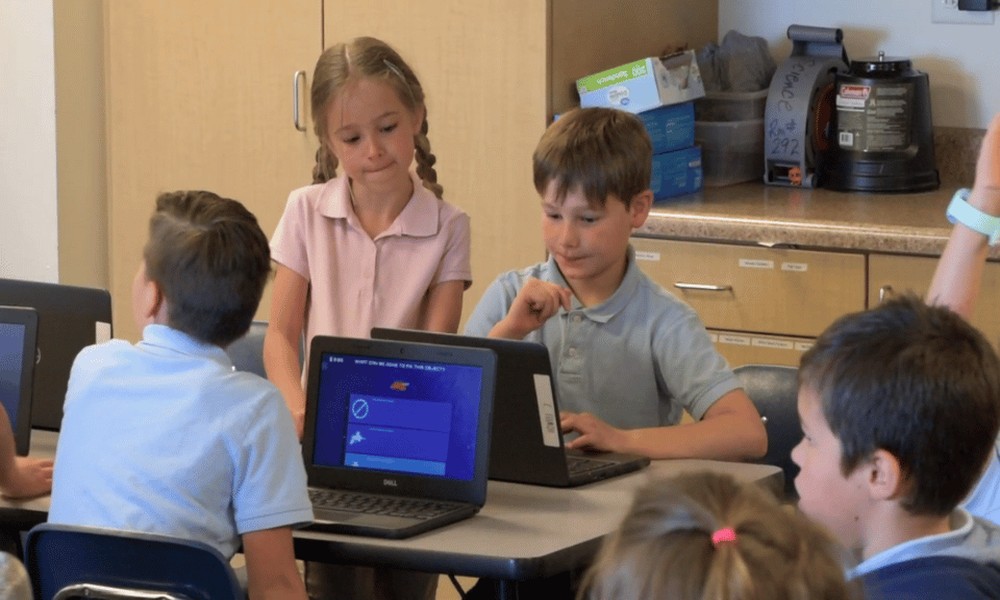
Children learn best through discovery and play. Rote memorization often drains the natural curiosity from young learners. Traditional classroom worksheets fail to inspire deep intellectual growth. Therefore, progressive educational platforms like Mission.io prioritize dynamic exploration. Active learning experiences transform abstract concepts into tangible lessons. Students then develop a genuine lifelong passion for problem solving. This shift toward experiential education alters everything for young minds. Now, educators see remarkable engagement through specialized critical thinking activities for third grade. These adventures nurture resilience and independent reasoning skills simultaneously.
Navigating Mystery Quests
Sometimes, a simple mystery sparks intense curiosity within young minds. Children love uncovering hidden clues and solving riddles together. But teachers must guide this excitement toward structured analytical thoughts. Mission.io designs immersive detective games that stimulate deep cognitive development. Students analyze evidence carefully and eliminate incorrect options step by step. Consequently, this playful process strengthens logical deduction and teamwork skills. Learners become active investigators rather than passive information consumers. They debate possibilities and defend their conclusions with evidence. This lively interaction turns regular lessons into memorable learning adventures.
Building Collaborative Inventions
Design challenges offer another fantastic avenue for mental exploration. Students gather simple materials like cardboard and plastic straws. Then, they sketch creative blueprints for unique structural creations. The entire team collaborates to construct sturdy tabletop bridges. But initial designs often fail during early stress tests. This failure prompts immediate analysis and creative engineering redesigns. Now, children understand the value of persistence through struggle. They modify the original structures with smarter support systems. Ultimately, these hands-on experiments teach basic physics and deep patience.
Exploring Environmental Simulators
Digital tools provide amazing virtual worlds for modern classrooms. Students manage simulated ecosystems and balance delicate natural resources. Sometimes, unexpected weather events threaten the virtual animal populations. Players must adapt their strategies quickly to save endangered species. Therefore, they learn about complex cause and effect relationships. Mission.io integrates these interactive scenarios into the daily learning process. You can see immediate consequences for every single choice. This real-time feedback encourages thoughtful planning and strategic adjustments. Young minds grasp the intricate balance of our natural world.
Mapping Community Solutions
Real world problems inspire great civic responsibility in youngsters. Children examine local issues like playground litter or crowded hallways. They brainstorm practical community solutions using simple neighborhood maps. Sometimes, the initial ideas require too many resources or time. So, the students refine their proposals for better efficiency.
Conclusion
Active engagement creates confident and highly capable independent thinkers. We must move past repetitive worksheets to unlock true potential. Creative challenges prepare children for an increasingly unpredictable world. They learn to think flexibly and adapt to new situations. Collaborative adventures build strong communication alongside pure cognitive skills. Let us replace passive compliance with vibrant intellectual exploration today. Our third graders deserve the finest tools for their development.
 Education blog
Leave a comment