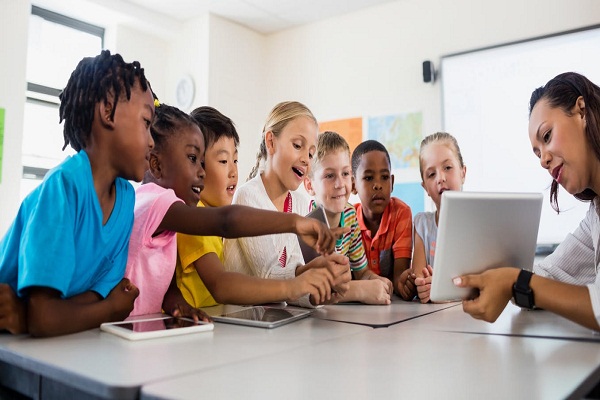
• From High School to High-Income: Career Pathways That Skip College

    College has long been seen as the default route to success. But with rising tuition costs, student loan debt, and evolving job markets, more students and families are asking an important question: Is college the only way to achieve a high-income career?

    The answer is no. Today, there are more accessible, rewarding, and financially sound career paths than ever before that don’t require a four-year degree. Many of these paths lead to six-figure incomes, personal fulfillment, and long-term growth—with less debt and more hands-on experience.

    Rethinking the College = Success Mindset

    For years, the idea that a college degree guarantees a good job was widely accepted. But reality has changed. Many degree holders struggle to find work in their field, while employers in trades, tech, and other sectors are desperate for skilled talent. Add in the growing student debt crisis, and it’s clear that a college education isn’t always the smartest investment for everyone.

    High-Income Careers That Don’t Require a Degree

    There are several industries offering competitive salaries and job security that only require short-term training, certifications, or apprenticeships.

    1. Skilled Trades

    Jobs like electricians, plumbers, HVAC technicians, and welders are in high demand. These roles typically require vocational training or an apprenticeship, not a four-year degree. Many tradespeople earn between $50,000 and $100,000 annually, with the potential to start their own businesses.

    2. Tech and IT

    Technology careers are open to those who are self-taught or have completed coding bootcamps or online certifications. Jobs like web development, IT support, cybersecurity, and UX/UI design can bring in $60,000 to $120,000+ a year. Certifications from providers like Google, CompTIA, or Cisco can get you job-ready without a degree.

    3. Transportation and Logistics

    Becoming a commercial truck driver, air traffic controller, or freight coordinator can be both lucrative and stable. Truck drivers with commercial licenses (CDLs) often start at $50,000 and can earn over $100,000 with experience or specialization.

    4. Creative Freelancing

    Graphic design, video editing, content creation, and digital marketing are popular freelance careers that rely on portfolios rather than degrees. Building a strong online presence and honing your craft through platforms like Upwork or YouTube can lead to substantial income over time.

    5. Real Estate and Sales

    Real estate agents, insurance brokers, and sales professionals often earn income through commission, with top performers reaching six figures. Getting licensed is straightforward, and success relies more on people skills and perseverance than formal education.

    6. Entrepreneurship and Small Business

    From landscaping to e-commerce, many young entrepreneurs are starting businesses right out of high school. With free online learning tools and social media marketing, building a brand and growing a customer base has never been more accessible.

    Fast-Track Training Options

    There are many ways to gain the skills needed for these careers quickly and affordably:

    • Certifications: Industry-recognized credentials (e.g., CompTIA A+, Google Career Certificates, real estate licenses).
    • Apprenticeships: Paid, hands-on training programs that lead to full-time work.
    • Online Courses: Websites like Coursera, Udemy, and LinkedIn Learning offer affordable and flexible courses in tech, business, and creative fields.

    High School

    Benefits of Skipping College (for the Right Student)

    • Less Debt: Avoid years of student loan payments.
    • Faster Start: Begin earning earlier and gain work experience sooner.
    • Practical Skills: Learn what you need for the job, not just theory.
    • Flexibility: Build your own schedule, path, and lifestyle.

    Potential Challenges

    While these pathways are promising, they do come with a few challenges:

    • Less Structure: Without college guidance, students must be self-motivated and proactive.
    • Fewer Networks: Colleges offer built-in social and professional networks.
    • Stigma: Some careers still favor degrees, although this is changing.

    How High School Students Can Prepare

    • Know Your Strengths: Explore interests, strengths, and natural talents.
    • Get Experience Early: Take internships, part-time jobs, or vocational classes.
    • Build a Portfolio: Create a resume or online presence that highlights real-world skills.
    • Seek Mentors: Talk to professionals in your field of interest to learn what worked for them.

    Real-World Success Without College

    Across industries, there are countless examples of high-income earners who never went to college. From electricians who run their own firms to freelance video editors earning six figures, the common thread is skill, determination, and continuous learning—not a diploma.

    The Future of Work Is Skills-Based

    Major companies like Apple, Google, and IBM have dropped degree requirements for many roles. The shift toward skills-based hiring is already here, and it’s opening doors for those who take charge of their learning and career development early.

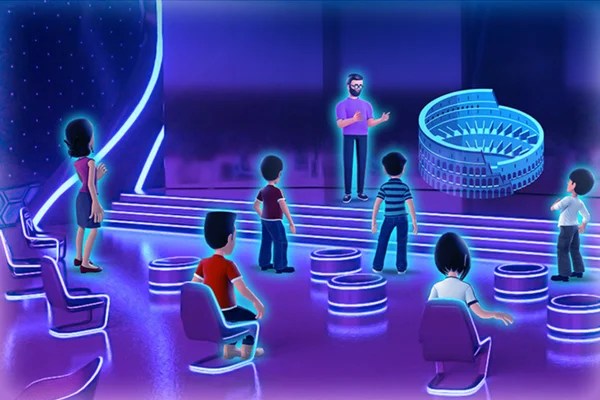
  • Metaverse Classrooms: Gimmick or the Future of Immersive Education?

    The concept of the Metaverse is rapidly entering the education space, promising to reshape how students learn and interact. With virtual reality (VR), augmented reality (AR), and artificial intelligence (AI) coming together, the idea of metaverse classrooms is gaining attention. But the question remains: is this a meaningful shift in education or just another passing tech trend?

    What Are Metaverse Classrooms?

    A metaverse classroom is a fully immersive virtual environment where students and teachers interact using digital avatars. Lessons can take place in simulated labs, historical reconstructions, or even on virtual trips to outer space. It combines technologies like VR, AR, AI, and blockchain to create an engaging and interactive learning space beyond physical walls.

    Early adopters include platforms like Meta’s Horizon Workrooms, Microsoft Mesh, ENGAGE, and Roblox Education. Pilot programs have started across universities and schools experimenting with the model.

    The Promised Benefits

    One of the main draws of metaverse classrooms is the immersive experience. Students can perform science experiments in virtual labs, visit ancient civilizations, or explore complex engineering concepts through simulation. These interactive settings can lead to better retention and deeper understanding.

    Another advantage is increased student engagement. Gamified features, customizable avatars, and the novelty of learning in a 3D world can motivate students who may otherwise feel disconnected in traditional classrooms.

    Metaverse education also breaks down geographical barriers. Students from different countries can attend the same virtual school, creating opportunities for global learning and collaboration.

    Additionally, the virtual environment provides a safe space for experimentation. Mistakes in a virtual lab don’t have real-world consequences, making it ideal for learning through trial and error.

    AI-driven personalization is another potential benefit. Students can receive tailored learning paths, real-time feedback, and even support from virtual teaching assistants.

    Real Challenges to Consider

    Despite the excitement, several challenges need to be addressed. The cost of VR headsets, high-speed internet, and compatible devices creates a financial barrier, especially for underfunded schools and developing regions.

    Technical issues like system lag, software bugs, and user learning curves can interrupt learning and create frustration for both teachers and students. Without proper training, educators may struggle to use the platforms effectively.

    Another major concern is the digital divide. Not every student has equal access to technology, potentially worsening educational inequality.

    Health issues like eye strain, motion sickness, and screen fatigue are also being reported by users after extended time in VR environments. Furthermore, questions about student data privacy, security, and surveillance in virtual platforms remain unresolved.

    Is It Just a Gimmick?

    Critics argue that the rise of metaverse classrooms is more about marketing and hype than educational value. Without solid pedagogical frameworks, immersive tech can become just a flashy distraction. Overemphasizing novelty may lead to shallow learning experiences with little academic depth.

    There is also skepticism from traditional educators and parents who fear a loss of personal connection, social development, and emotional learning if too much time is spent in virtual spaces.

    Metaverse Classrooms

    Or the Future of Immersive Education?

    Despite these concerns, the metaverse holds long-term potential. With proper integration, it can complement—not replace—traditional methods. Hybrid models that blend physical and virtual experiences may become the new norm.

    Global trends show growing support from tech companies, educational startups, and universities investing in immersive education. Research suggests that experiential learning in simulated environments can lead to higher engagement and knowledge retention.

    When aligned with curriculum goals, metaverse classrooms can enrich subjects like history, science, and engineering, offering students hands-on, collaborative experiences that traditional classrooms cannot provide.

    Additionally, as workplaces evolve into virtual and remote environments, learning how to navigate these spaces prepares students for the future job market.

    Preparing for the Transition

    For schools and educators, the key is to approach the metaverse thoughtfully. Starting with small-scale pilot projects or using VR tools as supplemental resources can help. Investing in infrastructure, providing teacher training, and creating clear privacy guidelines are essential steps.

    Rather than replacing face-to-face education, the goal should be to enhance it—offering flexible, engaging, and personalized learning experiences.

    Conclusion

    Metaverse classrooms are not a magic solution, nor are they just a tech gimmick. Their value lies in how they’re used. If integrated with purpose and pedagogy, they can offer immersive learning that meets the needs of a digital generation. The future of education may not be entirely virtual, but it will certainly be more interactive—and the metaverse is one step in that direction.

  • Unschooling Unplugged: How Self-Directed Learning Is Reshaping Childhood Education

    Traditional education has long been defined by rigid schedules, standardized testing, and structured classrooms. But a quiet revolution is unfolding—one that rejects these norms in favor of freedom, curiosity, and trust in the child’s ability to learn. This approach is known as unschooling, and it’s changing how families around the world think about childhood education.

    What Is Unschooling?

    Unschooling is a form of self-directed education where children learn based on their interests, at their own pace, and in their own way. It doesn’t follow a set curriculum or involve conventional classroom instruction. Instead, unschooling turns everyday life into a learning opportunity—from cooking and gardening to exploring nature, building projects, or asking questions during a conversation.

    The idea behind unschooling is simple: children are naturally curious, and when given the freedom to follow their interests, they develop meaningful knowledge and skills without the pressure of tests and grades.

    The Philosophy Behind It

    The unschooling movement was largely influenced by educator John Holt, who argued that schools often stifle natural learning. He believed that true education comes from exploration, not compulsion.

    Unschooling challenges the belief that learning only happens through formal instruction. Instead, it views children as capable learners who can guide their own education with support from their parents or mentors.

    How Unschooling Works

    In practice, unschooling looks different for every family. Some days may involve science experiments in the backyard; others may be spent reading, building things, visiting museums, or helping with family errands. There’s no fixed schedule, no grades, and no tests—unless the child wants them.

    Parents act as facilitators. Their role is to provide access to resources, answer questions, offer guidance, and expose children to a wide variety of experiences that can spark interest.

    Unschooling can also include group learning, local co-ops, mentorship, or online resources when desired by the learner.

    Comparing Unschooling to Traditional Schooling

    Where traditional education is based on structure and conformity, unschooling is about flexibility and freedom.

    • Structure: Schools follow timetables; unschooling adapts to each day.
    • Curriculum: Schools use standardized materials; unschoolers learn from life.
    • Assessment: Schools use grades; unschoolers use self-reflection and real-world feedback.
    • Socialization: Schools group children by age; unschoolers interact with a wide range of people in real-world settings.

    Why Families Choose Unschooling

    Many families turn to unschooling for a more personalized, mentally healthy, and meaningful form of education. Some of the most cited benefits include:

    • Deeper Learning: Children absorb more when they’re genuinely interested in what they’re learning.
    • Life Skills: Unschooling encourages critical thinking, time management, creativity, and emotional intelligence.
    • Improved Mental Health: The absence of academic pressure and standardized testing can reduce anxiety and improve self-esteem.
    • Family Connection: Parents and children spend more time learning together, building stronger relationships.
    Unschooling Unplugged

    Addressing Common Concerns

    One of the biggest misconceptions about unschooling is that it’s unstructured or even irresponsible. In reality, unschooling is an intentional and engaged process. Children aren’t left to fend for themselves—they are actively supported by adults who help guide their exploration.

    Concerns about college readiness are also common. However, many unschooled children go on to higher education, often through alternative admissions routes such as portfolios, community college credits, or interviews. They are often self-motivated learners who thrive in academic environments when they choose to enter them.

    Socialization is another frequent question. While unschoolers don’t experience daily classroom interaction, they often engage with diverse age groups through clubs, community events, field trips, and collaborative learning environments.

    Unschooling in a Tech-Conscious World

    Some unschooling families embrace digital tools as part of their learning environment. Others prefer a more unplugged approach, emphasizing nature, hands-on activities, and reduced screen time. Either way, technology is treated as a tool, not a requirement.

    In a world saturated with screens, many families find value in slowing down and focusing on real-world, sensory-rich learning. This unplugged aspect of unschooling helps foster deeper concentration, imagination, and physical engagement.

    Legal and Practical Considerations

    Unschooling is legally recognized under homeschooling laws in many countries, though regulations vary by region. Some areas require documentation or progress reports; others allow full educational freedom. Families considering unschooling should research their local laws and connect with unschooling communities for guidance and support.

    Practical challenges do exist—such as balancing time, work responsibilities, or financial sacrifices—but many families find the lifestyle rewarding and sustainable once they adjust.

    A Glimpse Into the Future of Education

    The rise of unschooling reflects broader dissatisfaction with traditional systems. As more families seek alternatives that respect individual learning styles and foster emotional well-being, unschooling is gaining momentum.

    The pandemic accelerated this shift, as many parents witnessed firsthand how stressful and inflexible standard education could be. Some began unschooling out of necessity—and decided to stick with it by choice.

    In the years ahead, we may see a growing blend of unschooling with online platforms, community-based learning, apprenticeships, and global travel. These hybrid paths allow families to craft an educational journey tailored to each child.

  • The School Day Reimagined: Should Education Start at Noon?

    For generations, students have followed a strict early-morning schedule, starting school just after sunrise. But what if we flipped the script and began the school day at noon instead? As sleep science, student wellness, and modern lifestyles intersect, this idea is gaining traction among educators, researchers, and parents alike.

    The Origins of Early School Start Times

    The traditional early school schedule has roots in an outdated model. Initially designed to fit around agrarian routines or industrial work shifts, school hours were less about learning science and more about societal needs. As the world has changed, the school day has remained relatively static, even as students’ lives and learning environments have transformed dramatically.

    What Science Says About Teen Sleep Cycles

    Biologically, teenagers are wired differently. During adolescence, natural circadian rhythms shift, making it difficult for teens to fall asleep before 11 p.m. and wake up early. Despite this, most schools start between 7:30 and 8:30 a.m., leading to widespread sleep deprivation.

    Numerous studies have shown that early start times can negatively affect memory, focus, mood, and overall academic performance. Sleep-deprived students are also more likely to experience mental health issues like anxiety and depression. Health experts, including the American Academy of Pediatrics, recommend later start times to align with biological needs—ideally no earlier than 8:30 a.m. But what about pushing that even further, to noon?

    Benefits of a Noon Start

    A noon start may sound extreme, but it comes with potential advantages worth exploring.

    1. Improved Academic Performance:
    Students are more alert and focused during late morning and early afternoon. Starting school when students are naturally awake could enhance retention, engagement, and test scores.

    2. Better Mental and Physical Health:
    Adequate sleep contributes to better mental health, stronger immune function, and overall well-being. A later start reduces the chronic fatigue that many students silently endure.

    3. Reduced Tardiness and Absenteeism:
    Students are more likely to attend school consistently and arrive on time when they don’t have to battle sleep inertia every morning.

    4. Time for Morning Productivity:
    Mornings could be repurposed for personal growth, exercise, creative pursuits, or quiet study—allowing students to begin their academic day mentally prepared.

    Practical Challenges of a Later School Day

    School Day

    Reimagining the school day is not without its complications.

    Family Schedules:
    Many parents start work early, making a noon start difficult for families that rely on morning routines. Younger students especially would need supervision in the early hours.

    Transportation and Infrastructure:
    School bus schedules would require major overhauls, especially if districts run multiple bus shifts for different schools.

    Extracurriculars and Sports:
    If school ends later, after-school activities could extend into the evening, reducing daylight hours for sports or creating conflicts with family time and jobs.

    Equity Concerns:
    Students who rely on school breakfast programs or morning care might face disadvantages. Families with limited resources could find it harder to adapt.

    What Other Countries and Schools Are Trying

    Some countries have already experimented with more flexible or later school schedules. In Spain and parts of Germany, school starts later in the morning and runs into the early evening. In the United States, several school districts—including in Seattle and Minneapolis—have implemented later start times, seeing improvements in student well-being and academic outcomes.

    These pilot programs suggest that even modest delays in start times can lead to measurable benefits. However, few have tested a full noon start, leaving it mostly theoretical for now.

    Alternatives to a Full Noon Start

    While starting school at noon might not be feasible everywhere, hybrid models could provide a middle ground.

    Staggered Start Times:
    Allowing students to choose between morning and afternoon sessions based on their individual rhythms.

    Asynchronous Learning:
    Using online platforms for independent learning in the morning, followed by in-person instruction later in the day.

    Flexible Scheduling:
    Schools could offer enrichment, tutoring, or open study periods in the morning, with core classes beginning around 11 a.m. or noon.

    These models preserve the benefits of later learning while minimizing disruption to families and systems.

    What Students, Teachers, and Parents Think

    Student voices often reflect support for later start times, citing better sleep and energy. Some educators agree, noting that students are more responsive later in the day. However, others worry about extended work hours and reduced personal time.

    Parents are divided—some welcome the change for their children’s health, while others worry about the disruption to work-life balance and supervision.

    Weighing the Pros and Cons

    Pros:

    • Aligns with natural sleep patterns
    • Boosts academic and emotional performance
    • Reduces absenteeism
    • Encourages healthier lifestyles

    Cons:

    • Conflicts with existing family and work routines
    • Requires changes to transportation and scheduling
    • Affects sports and extracurricular timing
    • Not easily accessible to all families

    Final Thoughts

    The idea of starting school at noon may seem radical, but it’s rooted in science and growing concern for student well-being. While it may not be suitable for every community, the discussion opens the door for rethinking how, and more importantly when, students learn best.

    As the world rethinks education in the 21st century, timing could be just as important as curriculum. Whether or not schools adopt a noon start, the conversation highlights a bigger need: to design learning environments that reflect how students actually live and learn.

  • Skill Stacking for Students: The New Blueprint for Future Careers

    Skill stacking is the practice of combining multiple skills—often from different areas—to increase your overall value and versatility. Instead of being an expert in just one domain, students can create a personalized blend of abilities that work together to open up more opportunities.

    For example, a student who knows graphic design, marketing, and public speaking can thrive in areas like brand strategy or content creation. It’s not about being perfect at everything—it’s about creating a unique combination of skills that makes you hard to replace.

    Why the Shift Is Happening

    The workplace is changing rapidly. Technology and automation are replacing routine jobs, while new roles are emerging that demand a wider range of abilities. Employers today look for candidates who can solve problems creatively, work across disciplines, and adapt quickly.

    Skill stacking prepares students for this shift by helping them become more flexible and innovative. It also allows them to pivot between different roles and industries throughout their careers.

    Benefits of Skill Stacking for Students

    1. Better Employability: A mix of skills makes you more appealing to employers across sectors.
    2. Career Flexibility: You’re not limited to one specific path—you can explore multiple industries.
    3. Problem-Solving Edge: Diverse skills allow you to approach challenges from different angles.
    4. Confidence Boost: Building and applying new skills improves self-belief and performance.

    How to Build a Skill Stack

    1. Identify Your Base Skill

    Start with a primary skill that interests you or aligns with your career goals. This could be writing, coding, teaching, or anything else you’re passionate about.

    2. Add Complementary Skills

    Once you’ve picked a base skill, add 2–3 complementary ones that expand its use. For example:

    • Writing + SEO + social media = content marketer
    • Biology + coding + statistics = bioinformatics specialist

    3. Apply Your Skills in Real Projects

    Practice is key. Use internships, personal projects, freelancing, or volunteering to apply your skill stack in real-world scenarios. This not only builds experience but also strengthens your resume or portfolio.

    4. Keep Learning and Evolving

    Skill stacking is a lifelong process. As your interests or career goals change, your stack can too. Continuous learning through courses, online resources, and practical work helps keep your stack relevant.

    Popular Skill Stack Combinations

    Skill Stacking

    Here are a few in-demand stacks students can consider:

    • Design + coding + UX = Web or app designer
    • Data analysis + visualization + communication = Data storyteller
    • Psychology + marketing + video editing = Behavioral marketer
    • Math + finance + Excel = Financial analyst
    • Language + cultural knowledge + teaching = ESL educator or cross-cultural trainer

    Skill Stacking vs. Specialization

    Traditional education often promotes deep specialization in one area. While this can still be useful, being versatile makes you more resilient. A skill stack allows you to be what’s often called a “T-shaped” professional—someone with deep knowledge in one area and broad abilities in others.

    In uncertain or rapidly shifting job markets, generalists with strong skill stacks can often find opportunities more quickly and adapt more easily than specialists.

    How Schools and Colleges Can Help

    To support skill stacking, educational institutions can:

    • Offer more interdisciplinary courses and flexible electives
    • Encourage project-based learning and extracurricular involvement
    • Provide career counseling focused on skill development, not just degree paths
    • Promote online learning platforms to help students learn beyond the classroom

    Challenges to Watch For

    While skill stacking is powerful, there are challenges:

    • Trying to learn too many skills too quickly can lead to burnout.
    • Without direction, students may collect random skills without synergy.
    • Shallow knowledge across skills may reduce your effectiveness.

    The key is to balance breadth and depth—develop a few key skills deeply, and add others that enhance your main strengths.

    Looking Ahead: The Future Belongs to Skill Stackers

    As careers become more dynamic, those who can adapt will thrive. Skill stacking isn’t about chasing every trend—it’s about intentionally combining skills that align with your strengths and goals.

    The future of work will reward those who are resourceful, adaptable, and uniquely skilled. For students, starting to build a skill stack early on can be the foundation of a rewarding, flexible, and future-ready career.

  • From Soft to Super Skills: What Today’s Learners Need Beyond the Basics

    In today’s fast-changing world, mastering basic academic knowledge is no longer enough. While reading, writing, and arithmetic remain essential, the demands of modern life and work now call for something more—skills that go beyond the basics. These include not only interpersonal abilities like communication and teamwork but also higher-level capacities such as adaptability, critical thinking, and resilience.

    This shift has sparked a transformation in education, where the focus is moving from traditional hard skills to soft skills—and now to what are known as super skills. These are the abilities that empower learners to thrive in uncertainty, solve complex problems, and continue learning throughout life.

    The Changing Skill Landscape

    Traditionally, education has centered on hard skills: measurable, technical competencies like math, science, or typing. These remain crucial, especially in professional fields. But employers today are placing growing importance on human-centric abilities—soft skills like emotional intelligence, collaboration, and time management.

    Even more recently, the idea of “super skills” has emerged. These are the advanced capabilities built on soft skills, enabling learners to navigate complexity, lead with empathy, and adapt to disruption. Think of them as a level-up from soft skills—skills that help individuals not just function but flourish in unpredictable environments.

    Essential Soft Skills for Today’s Learners

    1. Communication
      Being able to express ideas clearly, whether in person, online, or in writing, is fundamental. Active listening and the ability to adjust one’s message to different audiences are key components of this skill.
    2. Collaboration
      Working in teams—especially diverse ones—requires trust, patience, and the ability to resolve conflicts constructively. Collaboration is more than cooperation; it’s about co-creating solutions.
    3. Emotional Intelligence
      This includes self-awareness, empathy, and managing one’s emotions effectively. It helps learners connect with others, handle stress, and maintain healthy relationships.
    4. Adaptability
      The pace of change today is constant. Students who can stay calm amid change, adjust to new situations, and learn from mistakes will be far more prepared for the real world.
    5. Time Management
      Organizing tasks, meeting deadlines, and setting realistic goals are vital in balancing personal and academic responsibilities.

    Super Skills That Set Future Learners Apart

    Skills
    1. Critical Thinking
      More than just memorizing facts, this involves analyzing situations, questioning assumptions, and making informed decisions.
    2. Creativity and Innovation
      Imagination, when applied to real-world problems, can lead to groundbreaking ideas. It’s about seeing possibilities where others see limitations.
    3. Digital Literacy
      Understanding how to use and navigate digital tools, data, and AI is becoming just as important as traditional literacy.
    4. Growth Mindset
      Learners need to believe they can develop abilities through effort. This mindset fuels motivation and resilience.
    5. Cultural Intelligence
      With global communication at our fingertips, respecting different backgrounds and perspectives is more important than ever.
    6. Resilience
      Setbacks are inevitable. Those who can recover, learn, and continue pushing forward are better prepared for long-term success.
    7. Leadership
      Influencing others with integrity, making thoughtful decisions, and taking initiative are leadership qualities that can start early.

    Supporting Skill Development in Education

    To help students develop these skills, schools and educators must rethink how learning is delivered. Traditional lectures and tests are no longer sufficient. Instead, education needs to be more interactive, project-based, and focused on real-world problem-solving.

    Teachers play a new role—not just as knowledge providers but as mentors and facilitators. Classrooms should encourage experimentation, collaboration, and curiosity. Assessment methods must evolve too, shifting from standardized tests to more practical forms like presentations, group work, and personal reflections.

    Outside the classroom, communities, families, and digital platforms also play a part. Technology offers powerful tools for learning soft and super skills, from gamified apps to collaborative online workshops.

    The Way Forward

    As we prepare students for a world filled with complexity and rapid change, the need for a new skillset is clear. Today’s learners must be equipped not only with foundational knowledge but with the soft and super skills that allow them to adapt, lead, and thrive.

    The future belongs to those who can think critically, work well with others, and never stop learning. It’s time we build education systems that reflect this reality—not just teaching students what to know, but how to grow.

  • Shadow Learning: How Private Tutors Are Quietly Reshaping Academic Success

    In recent years, a quiet revolution has been reshaping the way students learn—outside the walls of traditional classrooms. Known as shadow learning, this phenomenon refers to the growing reliance on private tutoring as a parallel track to mainstream education. While schools remain the foundation of academic instruction, it’s the behind-the-scenes guidance of private tutors that is increasingly shaping outcomes and success stories.

    The Growth of Shadow Education

    Private tutoring isn’t a new concept, but its prevalence has surged globally. Driven by intense academic pressure, competitive college admissions, and parental expectations, more students are turning to private tutors for personalized support. Countries like South Korea and India have long been known for their tutoring cultures, but the trend has expanded rapidly across North America and Europe, especially after the shift to remote learning during the pandemic.

    In today’s digital age, access to tutors isn’t limited to geography. Online platforms now connect students to educators worldwide, allowing for 24/7 learning, exam preparation, and even help with school assignments.

    Who’s Teaching in the Shadows?

    Private tutors come from various backgrounds. Some are certified teachers, while others are university students, subject matter experts, or even full-time professionals. What they have in common is a deep understanding of a particular subject and the ability to offer tailored instruction that many classrooms, constrained by time and size, cannot provide.

    The tutoring industry itself has become highly diversified. There are established tutoring centers, freelance educators, and digital platforms like Chegg, Wyzant, and Preply, which offer everything from live video sessions to homework help chat services.

    How Tutoring Impacts Students

    Private Tutors

    The most immediate benefit of shadow learning is improved academic performance. Students who work with private tutors often see better test scores and grades due to the focused, one-on-one attention they receive. Tutors help clarify difficult concepts, reinforce classroom learning, and fill in gaps that students might be too shy or rushed to address in school.

    Beyond grades, tutoring can boost a student’s confidence. Working with a mentor who adapts to their pace and style of learning helps reduce anxiety and builds motivation. However, an over-reliance on tutoring can also become problematic. Some students may develop a dependency, struggling to complete tasks independently without external guidance.

    Equity and Access: A Growing Concern

    While tutoring offers undeniable advantages, it also raises questions about fairness. Not all families can afford private education outside of school. This creates an uneven playing field where wealthier students gain a significant edge through additional instruction, while others are left to navigate the system alone.

    Some communities and nonprofits are stepping in to bridge the gap. Free or low-cost tutoring initiatives aim to level the field, offering academic support to underserved students. Government-funded programs in some regions have also begun integrating tutoring into public education efforts.

    How Schools Are Adapting

    As the influence of shadow learning grows, schools are taking notice. Some educators are now blending tutoring strategies into their teaching methods, such as differentiated instruction and small-group learning. Others collaborate directly with tutors or recommend tutoring services to help students succeed.

    At a policy level, discussions are emerging around the need to regulate tutoring practices, ensure ethical standards, and make such resources accessible to all students—not just a privileged few.

    Technology’s Role in Modern Tutoring

    The rise of educational technology has revolutionized how tutoring works. AI-based tools and learning apps now offer personalized lesson plans, while platforms can track student progress and adapt instruction accordingly. Students in one country can easily work with tutors from another, making learning more global and accessible—at least for those with internet access and the means to pay.

    Ethical and Psychological Considerations

    Shadow learning has its downsides. Ethical concerns arise when tutors complete assignments or prepare entire projects for students. There’s also the risk of burnout, especially when tutoring is stacked on top of an already heavy academic schedule.

    For students to benefit fully, a balanced approach is essential—one where tutoring complements, rather than replaces, independent learning and critical thinking.

    What the Future Holds

    The boundaries between formal education and shadow learning are increasingly blurred. As personalized learning becomes more mainstream, the methods popularized by private tutors could influence classroom structures and educational policy.

    There’s potential for a future where tutoring isn’t just a backup plan, but an integral part of every student’s learning journey—provided access can be expanded fairly and responsibly.

    Conclusion

    Shadow learning isn’t just a quiet supplement to schooling anymore—it’s a powerful force reshaping academic success. As private tutors guide students toward better outcomes, the challenge lies in ensuring that this support remains ethical, equitable, and accessible to all who need it. Education, in its evolving form, now extends far beyond the classroom, and the shadows may just be where true learning begins.

  • The Art of Connection

    Welcome to WordPress! This is a sample post. Edit or delete it to take the first step in your blogging journey. To add more content here, click the small plus icon at the top left corner. There, you will find an existing selection of WordPress blocks and patterns, something to suit your every need for content creation. And don’t forget to check out the List View: click the icon a few spots to the right of the plus icon and you’ll get a tidy, easy-to-view list of the blocks and patterns in your post.

  • Beyond the Obstacle

    Welcome to WordPress! This is a sample post. Edit or delete it to take the first step in your blogging journey. To add more content here, click the small plus icon at the top left corner. There, you will find an existing selection of WordPress blocks and patterns, something to suit your every need for content creation. And don’t forget to check out the List View: click the icon a few spots to the right of the plus icon and you’ll get a tidy, easy-to-view list of the blocks and patterns in your post.

Design a site like this with WordPress.com
Get started