
Traditional education has long been defined by rigid schedules, standardized testing, and structured classrooms. But a quiet revolution is unfolding—one that rejects these norms in favor of freedom, curiosity, and trust in the child’s ability to learn. This approach is known as unschooling, and it’s changing how families around the world think about childhood education.
What Is Unschooling?
Unschooling is a form of self-directed education where children learn based on their interests, at their own pace, and in their own way. It doesn’t follow a set curriculum or involve conventional classroom instruction. Instead, unschooling turns everyday life into a learning opportunity—from cooking and gardening to exploring nature, building projects, or asking questions during a conversation.
The idea behind unschooling is simple: children are naturally curious, and when given the freedom to follow their interests, they develop meaningful knowledge and skills without the pressure of tests and grades.
The Philosophy Behind It
The unschooling movement was largely influenced by educator John Holt, who argued that schools often stifle natural learning. He believed that true education comes from exploration, not compulsion.
Unschooling challenges the belief that learning only happens through formal instruction. Instead, it views children as capable learners who can guide their own education with support from their parents or mentors.
How Unschooling Works
In practice, unschooling looks different for every family. Some days may involve science experiments in the backyard; others may be spent reading, building things, visiting museums, or helping with family errands. There’s no fixed schedule, no grades, and no tests—unless the child wants them.
Parents act as facilitators. Their role is to provide access to resources, answer questions, offer guidance, and expose children to a wide variety of experiences that can spark interest.
Unschooling can also include group learning, local co-ops, mentorship, or online resources when desired by the learner.
Comparing Unschooling to Traditional Schooling
Where traditional education is based on structure and conformity, unschooling is about flexibility and freedom.
- Structure: Schools follow timetables; unschooling adapts to each day.
- Curriculum: Schools use standardized materials; unschoolers learn from life.
- Assessment: Schools use grades; unschoolers use self-reflection and real-world feedback.
- Socialization: Schools group children by age; unschoolers interact with a wide range of people in real-world settings.
Why Families Choose Unschooling
Many families turn to unschooling for a more personalized, mentally healthy, and meaningful form of education. Some of the most cited benefits include:
- Deeper Learning: Children absorb more when they’re genuinely interested in what they’re learning.
- Life Skills: Unschooling encourages critical thinking, time management, creativity, and emotional intelligence.
- Improved Mental Health: The absence of academic pressure and standardized testing can reduce anxiety and improve self-esteem.
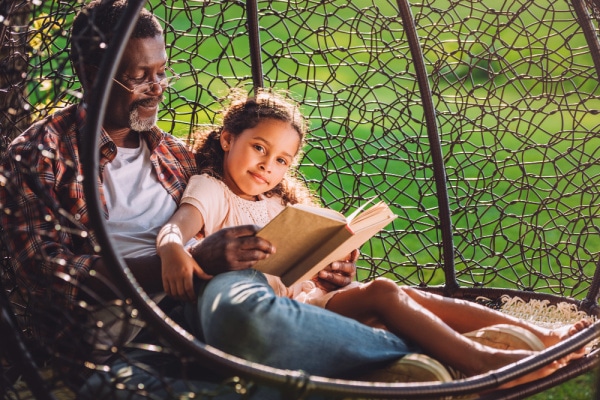
- Family Connection: Parents and children spend more time learning together, building stronger relationships.
Addressing Common Concerns
One of the biggest misconceptions about unschooling is that it’s unstructured or even irresponsible. In reality, unschooling is an intentional and engaged process. Children aren’t left to fend for themselves—they are actively supported by adults who help guide their exploration.
Concerns about college readiness are also common. However, many unschooled children go on to higher education, often through alternative admissions routes such as portfolios, community college credits, or interviews. They are often self-motivated learners who thrive in academic environments when they choose to enter them.
Socialization is another frequent question. While unschoolers don’t experience daily classroom interaction, they often engage with diverse age groups through clubs, community events, field trips, and collaborative learning environments.
Unschooling in a Tech-Conscious World
Some unschooling families embrace digital tools as part of their learning environment. Others prefer a more unplugged approach, emphasizing nature, hands-on activities, and reduced screen time. Either way, technology is treated as a tool, not a requirement.
In a world saturated with screens, many families find value in slowing down and focusing on real-world, sensory-rich learning. This unplugged aspect of unschooling helps foster deeper concentration, imagination, and physical engagement.
Legal and Practical Considerations
Unschooling is legally recognized under homeschooling laws in many countries, though regulations vary by region. Some areas require documentation or progress reports; others allow full educational freedom. Families considering unschooling should research their local laws and connect with unschooling communities for guidance and support.
Practical challenges do exist—such as balancing time, work responsibilities, or financial sacrifices—but many families find the lifestyle rewarding and sustainable once they adjust.
A Glimpse Into the Future of Education
The rise of unschooling reflects broader dissatisfaction with traditional systems. As more families seek alternatives that respect individual learning styles and foster emotional well-being, unschooling is gaining momentum.
The pandemic accelerated this shift, as many parents witnessed firsthand how stressful and inflexible standard education could be. Some began unschooling out of necessity—and decided to stick with it by choice.
In the years ahead, we may see a growing blend of unschooling with online platforms, community-based learning, apprenticeships, and global travel. These hybrid paths allow families to craft an educational journey tailored to each child.
 Education blog
Leave a comment