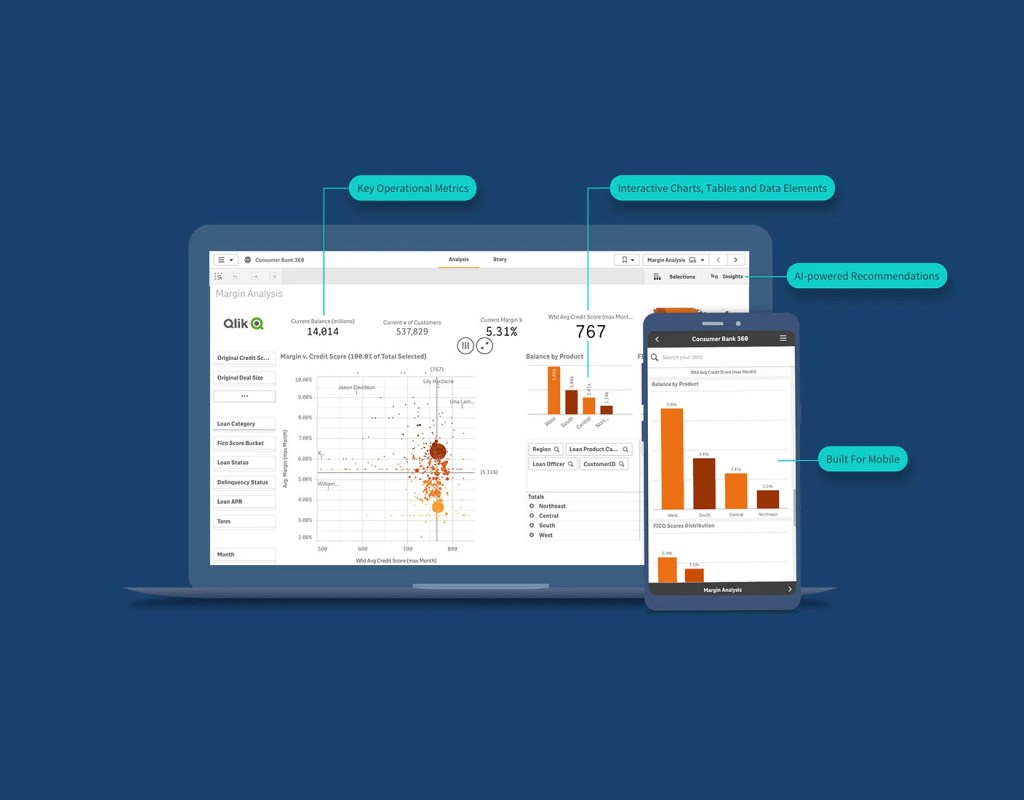
In the fast-paced world of analytics, dashboards act as the compass guiding decisions. Yet, while most dashboards display data, few take direct action. The difference often lies in the title. A dashboard title that merely describes — “Monthly Sales Report” — tells users what they are seeing. But a title that commands — “Increase Conversion Rate by 12% in Q4” — tells users what to do.
Crafting such action-oriented titles is an art of communication that blends clarity, purpose, and insight — the very foundation of effective data storytelling.
Why the Title Matters More Than You Think
A title is not a label; it’s a mission statement. When decision-makers open a dashboard, the title should instantly clarify why the data matters. Instead of passively presenting numbers, an effective title sets the tone for decision-making.
Imagine a CEO scanning dozens of dashboards — “Customer Retention Trends” might earn a glance, but “Improve Retention by Addressing 15% Churn in Tier A Clients” demands attention. The latter inspires inquiry and accountability.
Learning how to frame insights like this is a vital part of mastering modern analytics communication — something you’ll find deeply covered in a data analytics course that emphasises storytelling alongside technical skills.
Framing the Story Behind the Numbers
Action-oriented titles work because they give context. They go beyond describing data by hinting at causes or actions. For instance, “Revenue Down 10%” is informative but incomplete. “Revenue Down 10% Due to Reduced Repeat Purchases — Focus on Loyalty Campaigns” completes the story and guides response.
To craft such titles, analysts must understand the “why” behind the trend — not just the “what.” This demands digging into datasets, identifying relationships, and interpreting signals that drive the result. The goal is to make the title itself a mini-insight, not a headline in need of explanation.
Professionals taking a data analytics course in Mumbai are often trained in this narrative-driven approach — learning how to connect descriptive analytics with actionable insights through storytelling frameworks and communication best practices.
The Psychology of Action-Oriented Titles
Human brains are wired to respond to clarity and urgency. When a dashboard title includes an implied action or measurable goal, it instantly engages the analytical mind.
Consider two examples:
- “Customer Feedback Analysis Q1”
- “Reduce Negative Feedback by 8% Through Faster Ticket Resolution”
The first is data-centric, the second is behaviour-centric. The difference? The latter appeals to motivation and accountability. It frames success in quantifiable terms, turning observation into a challenge.
Titles like this drive teams to collaborate better — every stakeholder understands not just what happened, but what needs to happen next.
Balancing Precision and Simplicity
While action-oriented titles should be detailed, they must remain digestible. Overloaded or ambiguous phrasing dilutes impact. The key is to be precise yet concise — every word should earn its place.
A good strategy is to structure titles using three elements:
- Outcome: What is being measured?
- Cause: Why does it matter?
- Action: What should be done next?
Example: “Sales Dip in North Region — Increase Local Promotions by 10%.”
Here, the user gets the full picture — insight, cause, and recommendation — without needing to interpret the chart first.
Creating a Habit of Action Thinking
Building effective dashboards starts with cultivating an action mindset. Analysts should ask themselves before naming a dashboard:
- What decision does this data support?
- What action will this insight trigger?
- Can someone reading the title alone grasp the next step?
When these questions guide your thinking, every title becomes a bridge between analysis and execution.
This shift from data reporting to decision facilitation is what separates great analysts from good ones. It’s a skill refined through consistent practice — something courses like the data analytics course focus on by combining design thinking with analytical reasoning.
Conclusion: From Data Display to Decision Design
A dashboard is more than a collection of charts; it’s a decision-making ecosystem. And the title is its headline call to action.
When crafted with purpose, an action-oriented title transforms data from static information into a strategic tool — one that informs, inspires, and instructs.
For professionals eager to elevate their impact in analytics, honing this skill is essential. Whether through experience or structured learning like a data analytics course in Mumbai, the goal remains the same — to make data not just understandable but actionable.
Because in analytics, the best dashboards don’t just show the way — they tell you where to go next.
Business name: ExcelR- Data Science, Data Analytics, Business Analytics Course Training Mumbai
Address: 304, 3rd Floor, Pratibha Building. Three Petrol pump, Lal Bahadur Shastri Rd, opposite Manas Tower, Pakhdi, Thane West, Thane, Maharashtra 400602
Phone: 09108238354
Email: enquiry@excelr.com
 Education blog
Leave a comment