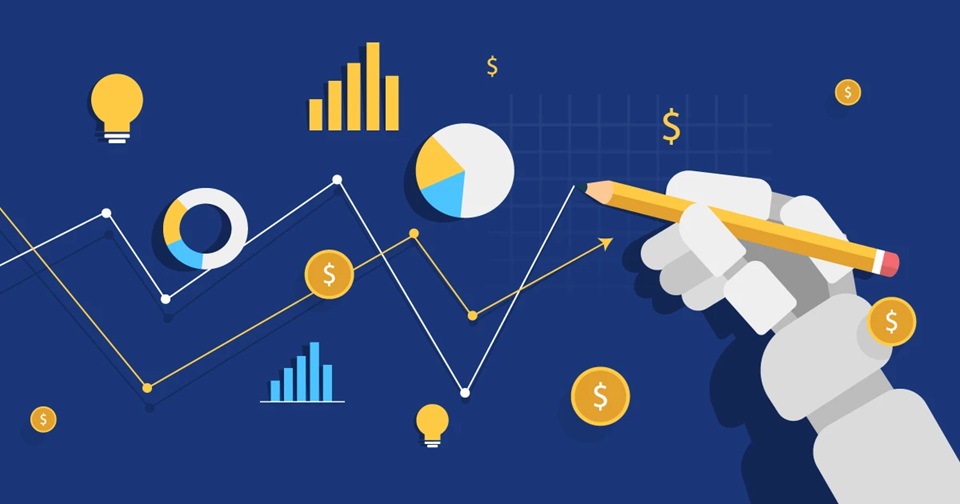
The way we learn is changing — and it’s not just about attending classes or completing assignments. In 2025’s education system, every click, every quiz attempt, and every minute spent on study material is being recorded and analyzed. This is where learning analytics comes in, silently tracking your study habits and revealing patterns that help map your strengths and weaknesses.
What is Learning Analytics?
Learning analytics is a data-driven approach used in education to collect, measure, and analyze information about students’ learning behaviors. The goal is to optimize the learning process, making it more personalized, efficient, and outcome-focused.
Educational platforms, universities, and online learning tools collect data such as:
- Time spent on study materials
- Frequency of quiz attempts
- Engagement in online forums
- Notes taken during lessons
- Resources accessed the most
This data provides a clear view of how students learn, what challenges they face, and what topics they excel in.
How Learning Analytics Work
Modern learning analytics systems use a mix of technologies like artificial intelligence (AI), machine learning, and big data analysis. Learning Management Systems (LMS) such as Moodle, Canvas, or Blackboard track a student’s activity in real-time. AI tools process this data to identify learning patterns, predict performance, and recommend personalized study plans.
Study Habits That Get Tracked
Your online learning habits provide more insight than you may realize. Some common data points include:
- Study Time and Frequency
Students who study consistently for shorter periods often perform better than those who cram at the last moment.
- Resource Usage
Frequent use of video tutorials, interactive quizzes, and notes indicates a diverse learning style.
- Note-Taking Patterns
Digital note-taking habits show engagement levels and highlight preferred study techniques.
- Participation and Engagement
Participation in discussion forums or peer groups reflects collaboration skills and curiosity.
- Assessment Behavior
Quick quiz completion with high accuracy often suggests mastery of a topic, while repeated attempts may signal a learning gap.
How Study Habits Map Strengths and Weaknesses
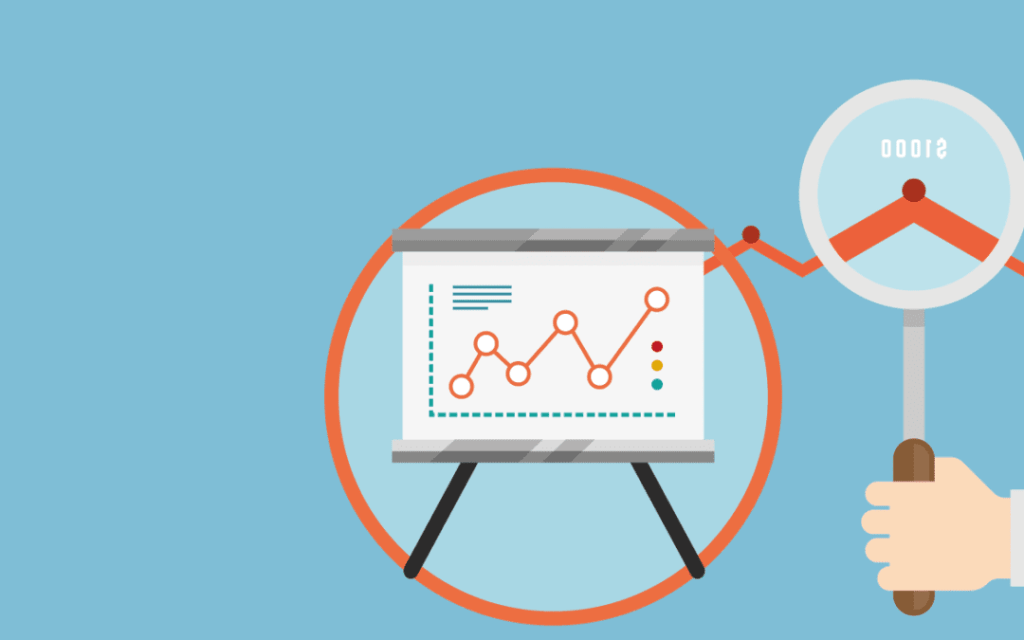
Learning analytics helps in identifying:
- Strong Subjects
If a student spends less time on a topic and scores well consistently, that area is considered a strength.
- Learning Gaps
Topics revisited frequently but with poor quiz performance indicate weaknesses.
- Preferred Learning Styles
Students who engage more with visual content may be visual learners, while others who spend more time reading could be textual learners.
- Behavioural Patterns
Avoiding difficult topics, leaving assignments incomplete, or cramming last minute are patterns that analytics can easily highlight.
Benefits of Learning Analytics in Education
Learning analytics is transforming education by offering:
- Personalized Learning Paths
Students receive study recommendations based on their learning style and pace.
- Early Intervention by Educators
Teachers can identify struggling students early and offer additional support.
- Performance Forecasting
Institutions can predict student performance and adjust teaching methods accordingly.
- Self-Awareness for Students
Students gain valuable insight into their study habits and areas for improvement.
Real-World Applications of Learning Analytics
Learning analytics is widely used in:
- Universities like MIT and Stanford to personalize education.
- Online platforms like Coursera and Udemy for tailoring course content.
- Corporate training programs for skill-gap analysis and employee upskilling.
Challenges and Ethical Concerns
Despite its benefits, learning analytics comes with challenges:
Data Privacy
Educational institutions must handle sensitive data responsibly, ensuring privacy and security.
Misinterpretation of Data
Analytics should assist human judgment, not replace it entirely.
Equity in Access
Not all students have equal access to advanced learning analytics tools, raising concerns about digital divides.
Future of Learning Analytics
The future of education will see more advanced applications of learning analytics, including:
- Adaptive learning platforms that adjust content in real-time.
- Integration with mental health indicators for holistic learning support.
- Gamified dashboards that keep students motivated while tracking their progress.
Conclusion
Learning analytics is quietly reshaping education by turning study habits into actionable insights. For students, understanding their learning patterns is becoming as important as the content itself. In a world driven by data, your study behavior is no longer hidden — it’s the map guiding your academic journey toward success.
 Education blog
Leave a comment