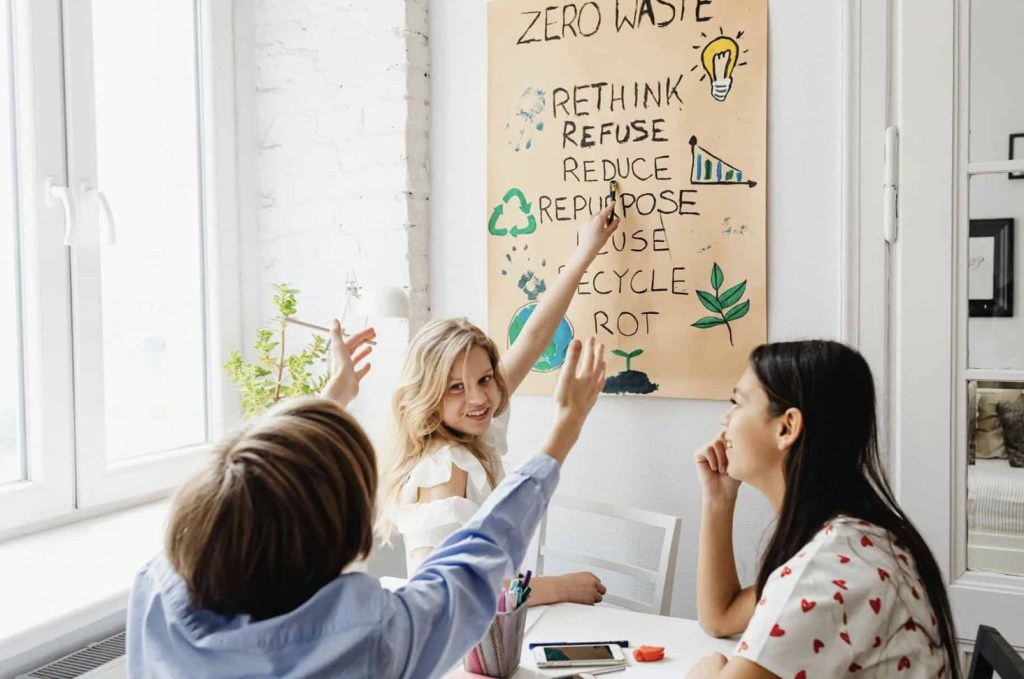
Education is evolving, and sustainability is becoming a central part of that transformation. A growing number of schools are exploring the idea of zero-waste classrooms — learning spaces designed to minimize environmental impact while teaching students the importance of sustainability from an early age.
But is this a passing trend, or can eco-friendly education truly become the new normal in schools around the world?
What is a Zero-Waste Classroom?
A zero-waste classroom focuses on minimizing the amount of waste generated during daily activities. It operates on the principles of reducing, reusing, recycling, and composting — creating a learning environment that uses resources wisely and manages waste responsibly.
The goal is to move towards a circular system where materials are continually repurposed rather than discarded.
Why Do Schools Need Zero-Waste Classrooms?
Traditional classrooms produce a surprising amount of waste. From disposable stationery to food wrappers and unused paper, schools contribute significantly to landfill waste every year. According to a study by the Environmental Protection Agency (EPA), schools in the U.S. generate about 4.7 pounds of waste per student each day.
Implementing zero-waste practices in schools aligns with global sustainability goals, including the United Nations Sustainable Development Goals (SDGs). It also helps create environmentally responsible future citizens who understand the impact of their daily choices.
Core Elements of a Zero-Waste Classroom
Creating a zero-waste classroom requires thoughtful planning and conscious choices in several areas.
Sustainable Classroom Materials
Using eco-friendly alternatives is essential. These include:
- Recycled paper for worksheets and art projects.
- Bamboo pencils and refillable pens.
- Reusable lunch containers and water bottles.
Waste Management Systems
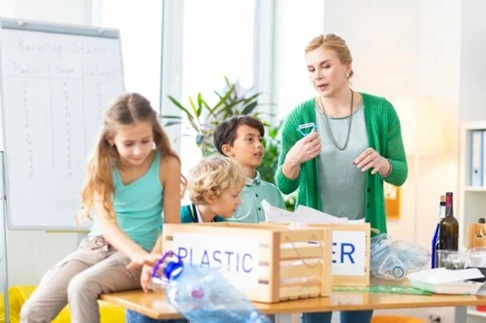
Classrooms should have clearly labeled bins for recycling, compost, and landfill waste. Schools can also set up small-scale composting units to manage food waste on-site.
Green Infrastructure
Eco-friendly classroom design includes:
- Furniture made from sustainable materials.
- Energy-efficient lighting and appliances.
- Indoor plants to improve air quality and provide a connection to nature.
Technology for Paperless Learning
Digital tools like tablets, e-books, and online assignments significantly reduce paper usage. Platforms like Google Classroom help manage student submissions digitally, supporting a zero-waste learning process.
Practical Strategies for Implementation
Making zero-waste classrooms a reality requires effort from teachers, students, and the community.
Teacher-Led Initiatives
Teachers can incorporate sustainability into lesson plans and organize zero-waste challenges or projects.
Student Engagement
Students can participate in waste audits to track the classroom’s waste output and brainstorm ways to reduce it. Eco-clubs can lead recycling drives or create educational posters about waste management.
Parental and Community Involvement
Schools can encourage parents to provide sustainable school supplies and involve local businesses or environmental organizations for support and resources.
Benefits of Zero-Waste Classrooms
Environmental Impact
Less waste means reduced landfill contribution and conservation of natural resources.
Educational Value
Students gain hands-on experience in sustainability, learning practical skills that extend beyond the classroom.
Cost Savings
Over time, schools save money by reducing the need for single-use materials and relying more on durable, reusable alternatives.
Challenges in Achieving Zero-Waste Classrooms
Budget Constraints
Eco-friendly products and infrastructure often come with higher upfront costs, which can be challenging for schools with limited budgets.
Lack of Awareness
Not all teachers and students are familiar with sustainability practices. Training and awareness programs are essential for long-term success.
Policy Barriers
Government policies and funding do not always prioritize environmental education, making it harder for schools to implement large-scale changes.
Global Examples of Zero-Waste Education Models
Schools across the world are setting examples for sustainable education.
- Finland’s education system emphasizes environmental responsibility from early childhood.
- Some schools in Japan practice the “Mottainai” philosophy, teaching children to avoid waste.
- In Canada, various green school certification programs encourage sustainable practices.
- In the U.S., the Green Schools Alliance supports schools in adopting eco-friendly initiatives.
Future of Zero-Waste Classrooms
As awareness grows and sustainability becomes a priority for more parents and students, zero-waste education is likely to expand. Technology will play a key role in making classrooms more efficient and less wasteful.
Governments may increasingly integrate sustainability into education policies, making zero-waste classrooms not just a choice but a standard practice in schools.
 Education blog
Leave a comment