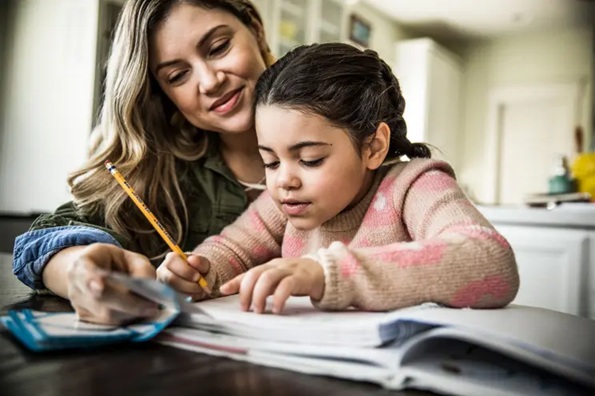
Parenting styles are evolving as fast as education itself. In 2025, one of the most discussed debates is about two opposite approaches – Helicopter Parenting vs Self-Learning. While parents want the best for their children, the methods they choose to guide their learning journey can have a lasting impact on their intelligence, happiness, and emotional strength.
This article explores both styles, their pros and cons, and what actually works for smarter and happier students in today’s fast-changing world.
What Is Helicopter Parenting?
Helicopter parenting refers to a highly involved parenting style where parents closely monitor and control almost every aspect of their child’s life, especially their education. The term comes from the idea that these parents “hover” over their children, preventing them from facing challenges or making mistakes.
Common Signs of Helicopter Parenting:
- Constant checking of homework and grades.
- Making decisions on behalf of the child.
- Solving problems before the child tries.
- Over-scheduling activities to avoid free time.
This parenting style often comes from fear — fear of failure, fear of competition, and fear of a child’s struggle.
What Is Self-Learning?
Self-learning is an independent learning approach where students take responsibility for their education. They explore, experiment, and solve problems without constant parental control. With the rise of digital education in 2025, self-learning has become more accessible than ever.
Characteristics of Self-Learning:
- Learning driven by curiosity.
- Freedom to explore different subjects.
- Solving real-world problems independently.
- Using online platforms like YouTube, Coursera, and Skillshare.
Self-learning is about allowing students to become independent thinkers, decision-makers, and problem solvers.
Benefits of Helicopter Parenting
Helicopter parenting, when done with care, has some positive effects:
Academic Monitoring
Children stay on track with schoolwork and deadlines due to parental supervision.
Safety and Guidance
Parents protect children from potential risks or harmful situations.
Emotional Support
Students feel their parents are always available to help, which can build trust.
Drawbacks of Helicopter Parenting
However, the drawbacks often outweigh the benefits if the involvement becomes overbearing:
- Children develop low problem-solving skills.
- They become dependent on parents for decision-making.
- Increased anxiety due to pressure for perfection.
- Fear of failure becomes strong.
- Poor emotional resilience in difficult situations.
Benefits of Self-Learning
Self-learning has gained popularity in 2025 because it builds skills required for future jobs and life:
Independence and Responsibility
Students learn to manage their time, projects, and goals.
Critical Thinking and Creativity
They develop unique problem-solving skills.
Emotional Resilience
Failure is seen as a lesson, not a disaster.
Intrinsic Motivation
Students pursue knowledge out of interest, not fear of punishment.
Drawbacks of Self-Learning
Despite its advantages, self-learning also has limitations:
- Lack of direction may lead to wasted time.
- Procrastination without discipline.
- Some students may need guidance but might not get it.
- Overuse of technology without real-life interaction.
What Research Says in 2025
Recent studies show that extreme helicopter parenting is directly linked to higher stress levels and anxiety disorders among students. On the other hand, students engaged in self-learning show better adaptability, creativity, and critical thinking skills.
However, researchers also suggest that young children (5-12 years) need structured guidance. Teenagers and college students benefit more from independent learning combined with mentorship.
Impact on Emotional Health and Happiness
| Parenting Style | Impact on Student Happiness |
| Helicopter Parenting | Creates pressure, lowers self-esteem if overdone. |
| Self-Learning | Encourages freedom, ownership of success and failure, leads to higher life satisfaction. |
Students in self-learning environments feel more in control of their learning journey. They celebrate their success because they earned it without parental interference.
What Works Best in 2025?
The most balanced approach is a combination of both styles depending on the child’s age and personality.
For Young Children (5-12 years)
Structured guidance with opportunities for exploration is ideal. Parents should teach basic discipline but allow creativity.
For Teenagers (13-18 years)
Encourage self-learning while acting as a mentor. Avoid micro-managing studies but provide resources and advice.
For College Students
Let them be independent learners while being available for emotional support when needed.
Future Parenting Trends
In 2025, parenting is shifting towards:
- Mentorship Parenting: Guiding without controlling.
- Personalized Learning Platforms: Apps and tools for self-paced learning.
- Collaboration Between Schools and Parents: Focus on emotional intelligence, not just grades.
- Life Skills Education: Teaching students decision-making, financial literacy, and communication skills.
Tips for Parents to Adopt the Right Approach
If You Are a Helicopter Parent:
- Start allowing small decision-making opportunities.
- Encourage your child to handle challenges independently.
- Avoid rescuing from every mistake.
If You Encourage Self-Learning:
- Provide access to learning tools and books.
- Set realistic boundaries and expectations.
- Discuss their learning progress regularly.
Final Verdict
Helicopter parenting protects children but may limit their growth and independence. Self-learning creates smarter, creative, and emotionally strong students but requires discipline and structure.
The smartest and happiest students in 2025 are not those raised with extremes but those who grew up with balance — where parents acted as mentors, guiding but not controlling, allowing freedom but providing support when needed.
 Education blog
Leave a comment