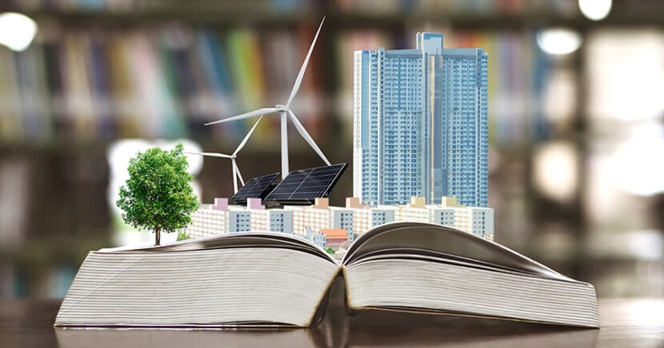
The conversation around sustainability is changing how we build homes, offices, and even schools — but there’s one space quietly evolving without much attention: Libraries. Green libraries represent the future of education — where sustainability and learning come together to create spaces that protect the environment while promoting knowledge.
This article explores what green libraries are, why they matter, and how they are shaping the future of sustainable learning environments.
What Are Green Libraries?
Green libraries are educational spaces built with sustainability at their core. They focus on minimizing environmental impact while offering students and communities access to resources for learning.
Unlike traditional libraries that primarily focus on book storage and reading areas, green libraries integrate:
- Sustainable building design
- Renewable energy usage
- Eco-friendly materials
- Waste management systems
- Digital resources over printed materials
They aim to be more than quiet study zones — they become living examples of environmental responsibility.
Why Are Green Libraries Gaining Attention?
As climate change concerns intensify, educational spaces are rethinking their role in creating environmentally conscious future generations. Green libraries address several key shifts:
- Rising student awareness about sustainability
- Need for energy-efficient infrastructure
- Growing preference for digital learning resources
- Increasing demand for healthier, toxin-free indoor spaces
In an era where education is moving online and physical spaces need to justify their relevance, green libraries offer a fresh purpose — combining environmental stewardship with knowledge-sharing.
Unique Features of a Green Library
Sustainable Architecture
Green libraries are designed for minimal energy consumption. Their features include:
- Solar panel installations for energy generation
- Rainwater harvesting systems
- Smart lighting using sensors
- Natural ventilation to reduce air conditioning dependence
Eco-Friendly Materials
Everything from the furniture to flooring in a green library is chosen carefully:
- Recycled wood or locally-sourced materials
- Non-toxic paints and adhesives
- Sustainable flooring solutions like bamboo or cork
Digital Resource Focus
By reducing dependency on printed materials, green libraries encourage:
- Access to e-books, digital archives, and online journals
- Smart resource management that avoids unnecessary printing
- Encouragement of paperless projects and assignments
Waste Reduction Programs
Green libraries often adopt:
- Recycling bins for paper, plastics, and electronics
- Book donation and exchange programs
- Repair and reuse policies for equipment and furniture
Benefits of Green Libraries

Environmental Benefits
- Significant reduction in energy and water consumption
- Lower carbon emissions
- Less waste generation and landfill use
Educational Benefits
- Creates awareness of sustainable living among students
- Promotes responsible digital usage
- Encourages critical thinking around environmental issues
Economic Benefits
While the initial setup may involve higher costs, green libraries result in:
- Long-term savings through reduced utility bills
- Less maintenance expenditure
- Eligibility for green building grants and incentives
Challenges in Implementing Green Libraries
Despite their benefits, building green libraries comes with obstacles:
- High initial investment in sustainable materials and technology
- Lack of awareness among school management or policymakers
- Difficulty retrofitting older library buildings to meet green standards
- Need for expertise in sustainable architecture
Successful Green Library Examples
National Library Building, Singapore
- Features energy-saving glass and eco-friendly air conditioning
- Rainwater collection system for irrigation
Stuttgart City Library, Germany
- Uses daylight-optimized glass panels
- Minimal energy consumption despite large infrastructure
Vancouver Public Library, Canada
- Green rooftop gardens
- Environmentally friendly construction materials
These examples prove that sustainable learning spaces are possible on large scales.
How Schools and Universities Can Start
Immediate Small Steps
- Switch to LED or energy-efficient lighting
- Encourage e-books over physical copies
- Install recycling stations
Long-Term Strategies
- Plan sustainable renovations or expansions
- Apply for green building certifications like LEED
- Create student committees focused on green initiatives
Starting small today prepares educational institutions for a greener, smarter tomorrow.
Conclusion
Green libraries are more than a design trend — they are the future of educational infrastructure. In a world where sustainability is becoming essential, these spaces teach students by example.
By integrating eco-friendly design, digital resources, and responsible waste management, green libraries create a learning environment that respects both knowledge and nature.
Schools, universities, and communities should not overlook the power of green libraries in shaping environmentally responsible learners.
 Education blog
Leave a comment