
The education system is evolving, and one of the hottest debates in 2025 revolves around homework-free schools. Some see it as a necessary step to reduce student stress, while others fear it may negatively impact learning outcomes. This article explores both sides of the argument and helps parents and educators understand the real impact of homework-free schooling.
What Are Homework-Free Schools?
Homework-free schools are institutions that minimize or completely eliminate homework for students. Instead of daily take-home assignments, these schools focus on strengthening classroom learning, promoting self-study, and encouraging students to explore interests outside of textbooks.
This concept has gained momentum globally, especially in countries known for progressive education systems like Finland, Japan, and some regions of Canada and the USA.
Why Are Schools Moving Towards Homework-Free Learning?
Rising Student Stress and Mental Health Concerns
Modern students face increasing levels of anxiety, stress, and burnout due to academic pressure. Long study hours combined with heavy homework loads have been linked to sleep deprivation, depression, and reduced emotional well-being. Schools adopting homework-free policies aim to address these issues and create a healthier learning environment.
Changing Parental and Teacher Attitudes
Many parents today prefer spending quality time with their children after school rather than supervising lengthy homework sessions. Teachers also recognize that grading repetitive assignments takes time away from creative teaching methods and personalized attention in the classroom.
Focus on Practical and Real-Life Learning
Homework-free schools encourage students to develop life skills beyond the classroom. Instead of repetitive exercises, students are engaged in project-based learning, group discussions, or creative assignments that foster critical thinking and problem-solving skills.
Benefits of Homework-Free Schools
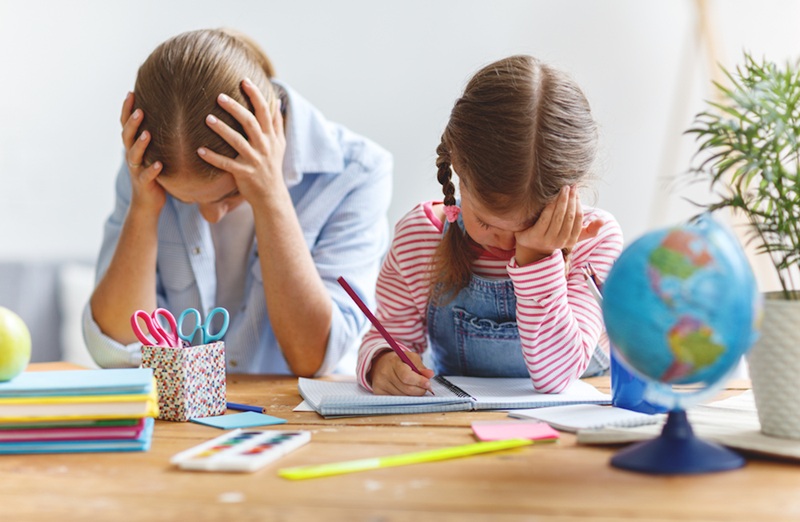
Reduced Stress and Better Mental Health
Students in homework-free schools often report better sleep schedules, reduced anxiety, and improved focus during class time. A stress-free mind is more capable of absorbing and applying new knowledge.
Stronger Family Bonds and Work-Life Balance
Without the burden of daily homework, students spend more time with family, participate in extracurricular activities, and pursue hobbies, leading to a more balanced lifestyle.
Encouraging Self-Directed Learning
Without homework dictating their after-school hours, students learn to manage their time, explore personal interests, and develop curiosity-driven learning habits.
Concerns and Criticisms of Homework-Free Education
Weak Reinforcement of Classroom Learning
Homework has traditionally served as a tool for reinforcing lessons learned in class. Critics argue that without regular practice, students may struggle to retain new information.
Risk of Learning Gaps
Students who lack access to supportive home environments or learning resources might fall behind without structured assignments guiding their study routines.
Impact on Discipline and Time Management
Homework teaches students to meet deadlines and manage their workload. Its removal may lead to poor time management skills if not replaced with other structured tasks.
Pressure on Classroom Learning Time
Teachers need to cover a wide syllabus within limited classroom hours. Without homework to reinforce learning, classroom time becomes more pressured, potentially reducing the depth of understanding.
Impact on Academic Performance: What Research Suggests
Research offers mixed results. Studies show that in early grades (primary school), homework has little impact on academic performance. However, in higher grades, especially in subjects like Mathematics and Science, regular practice through homework can improve understanding and exam scores.
Countries Where Homework-Free Models Are Working Well
Finland
Finland is a prime example of minimal homework policies succeeding. With short school days, emphasis on student well-being, and focus on in-class learning, Finnish students consistently rank high in global education assessments.
Japan
Elementary schools in Japan emphasize social skills and in-school learning, limiting homework to ensure students can focus on extra-curricular activities and family life.
Canada and USA Pilot Programs
Several schools in Canada and the US are experimenting with reduced or no-homework models, showing promising results in student well-being and engagement.
The Future of Homework-Free Schools: A Balanced Approach
The future of education seems to be moving toward hybrid models where homework is personalized rather than completely eliminated. Some schools are replacing daily assignments with:
- Long-term projects
- Group research work
- Digital learning modules
- Real-life problem-solving tasks
These alternatives maintain discipline and reinforce learning without overwhelming students.
What Should Parents and Schools Consider?
Before implementing homework-free policies, schools and parents must assess:
- The student’s ability to manage self-study time
- Availability of resources for learning at home
- Alternative learning activities like reading, skill-building, or creative pursuits
- Strong communication between teachers and parents to track student progress
Final Verdict: Stress Relief or Learning Disaster?
Homework-free schools offer valuable benefits in terms of student mental health and stress management. However, their success largely depends on how well schools replace traditional homework with meaningful learning activities.
A complete ban on homework may not suit every student or education system. The most effective approach is a balanced, flexible model tailored to student needs and industry demands.
 Education blog
Leave a comment