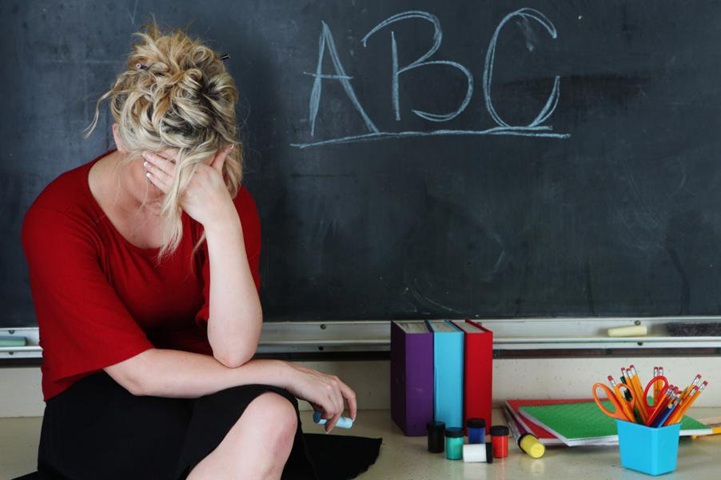
Burnout is no longer limited to corporate offices or overworked professionals. It has quietly made its way into classrooms, affecting students and teachers alike. What makes it more dangerous is how unnoticed it often goes. Schools, being a place of learning and growth, rarely recognize burnout until it has caused significant damage.
This article explains the early signs of burnout in schools — specifically those subtle indicators that teachers and parents often overlook — and how early intervention can make all the difference.
What is Burnout in Schools?
Burnout in schools refers to emotional, mental, and physical exhaustion experienced by students and teachers due to prolonged stress, pressure, or feeling overwhelmed. It drains energy, kills motivation, and negatively impacts performance and well-being.
Why is it Called a Silent Epidemic?
Many schools operate in high-pressure environments where stress is normalized. Exhaustion is often mistaken for hard work, and emotional breakdowns are brushed aside as teenage behavior or temporary moods. This silence allows burnout to spread unnoticed.
Causes of Burnout in Students
Students are vulnerable to burnout because of factors like:
- Excessive academic pressure
- Fear of failure
- Lack of time for hobbies or socializing
- Poor time management habits
- Social isolation or bullying
- Continuous testing and performance evaluation
Students are expected to excel in academics, extracurriculars, and social circles — often without adequate support or coping strategies.
Causes of Burnout in Teachers

Teachers, too, face their share of overwhelming challenges:
- Increased administrative tasks beyond teaching
- Managing large classrooms with limited resources
- Emotional exhaustion from managing student problems
- Lack of appreciation or support from school management
- Constant pressure to meet performance metrics
The classroom, for teachers, becomes a workplace filled with stress triggers rather than a space for creativity and learning.
Early Signs of Burnout in Students Teachers & Parents Miss
Behavioral Changes
- Withdrawing from friends or family
- Disinterest in hobbies or sports
- Becoming quiet or isolated in class
Emotional Indicators
- Frequent mood swings or crying without reason
- Negative self-talk like “I can’t do anything right”
- Irritability or unexplained anger
Physical Symptoms
- Complaining about frequent headaches or stomachaches
- Fatigue even after resting
- Irregular sleep patterns
Academic Signs
- Falling grades despite consistent effort
- Avoiding class participation
- Procrastination or missed deadlines
Early Signs of Burnout in Teachers Often Overlooked
Emotional Symptoms
- Feeling disconnected from students
- Reduced enthusiasm in teaching
- Growing sense of helplessness
Behavioral Changes
- Taking more sick leaves or frequent absenteeism
- Avoiding interactions with students or colleagues
- Over-reliance on repetitive teaching methods
Physical Symptoms
- Chronic fatigue despite breaks
- Frequent minor illnesses
- Difficulty falling asleep
Cognitive Signs
- Forgetfulness
- Lack of focus or concentration
- Negative internal dialogue
Why Are These Signs Ignored?
Burnout signs are often misread as laziness, lack of discipline, or bad attitude. The culture of normalizing stress in schools prevents early intervention. Additionally, many parents and teachers are not trained to identify mental health concerns early.
Impact of Untreated Burnout
On Students
- Risk of dropping out
- Long-term mental health issues like anxiety or depression
- Low self-esteem
- Poor academic performance
On Teachers
- Increased resignations or career shifts
- Chronic health issues like hypertension or migraines
- Decreased quality of teaching
- Emotional detachment from students
Prevention and Intervention Strategies
For Students
- Encourage open conversations about stress
- Ensure balance between study and leisure time
- Reduce unnecessary homework load
- Provide platforms for creative expression
For Teachers
- Organize regular mental health workshops
- Foster peer support groups within staff
- Reduce administrative workload
- Recognize and appreciate teaching efforts
Role of Parents in Prevention
Parents can play a vital role by:
- Observing their child’s emotional and behavioral changes
- Promoting hobbies and relaxation time
- Avoiding excessive academic pressure
- Working closely with teachers for support
Role of School Management
To tackle burnout effectively, schools should:
- Implement a clear mental health policy
- Train teachers to identify early burnout signs
- Create wellness programs for both students and staff
- Foster a culture of empathy and emotional intelligence
Conclusion
Burnout in schools is not a temporary phase — it’s a silent epidemic with long-lasting consequences if ignored. Recognizing early signs and providing timely support can save students from academic failure and teachers from emotional exhaustion. It’s time for schools, parents, and teachers to work together and build environments that prioritize mental well-being over relentless productivity.
 Education blog
Leave a comment